Which luxury brands appreciate in value (and which don’t): Chanel and Hermès lead the market
We analyze which luxury handbags retain or increase their resale value and why Chanel and Hermès lead the market over other brands.
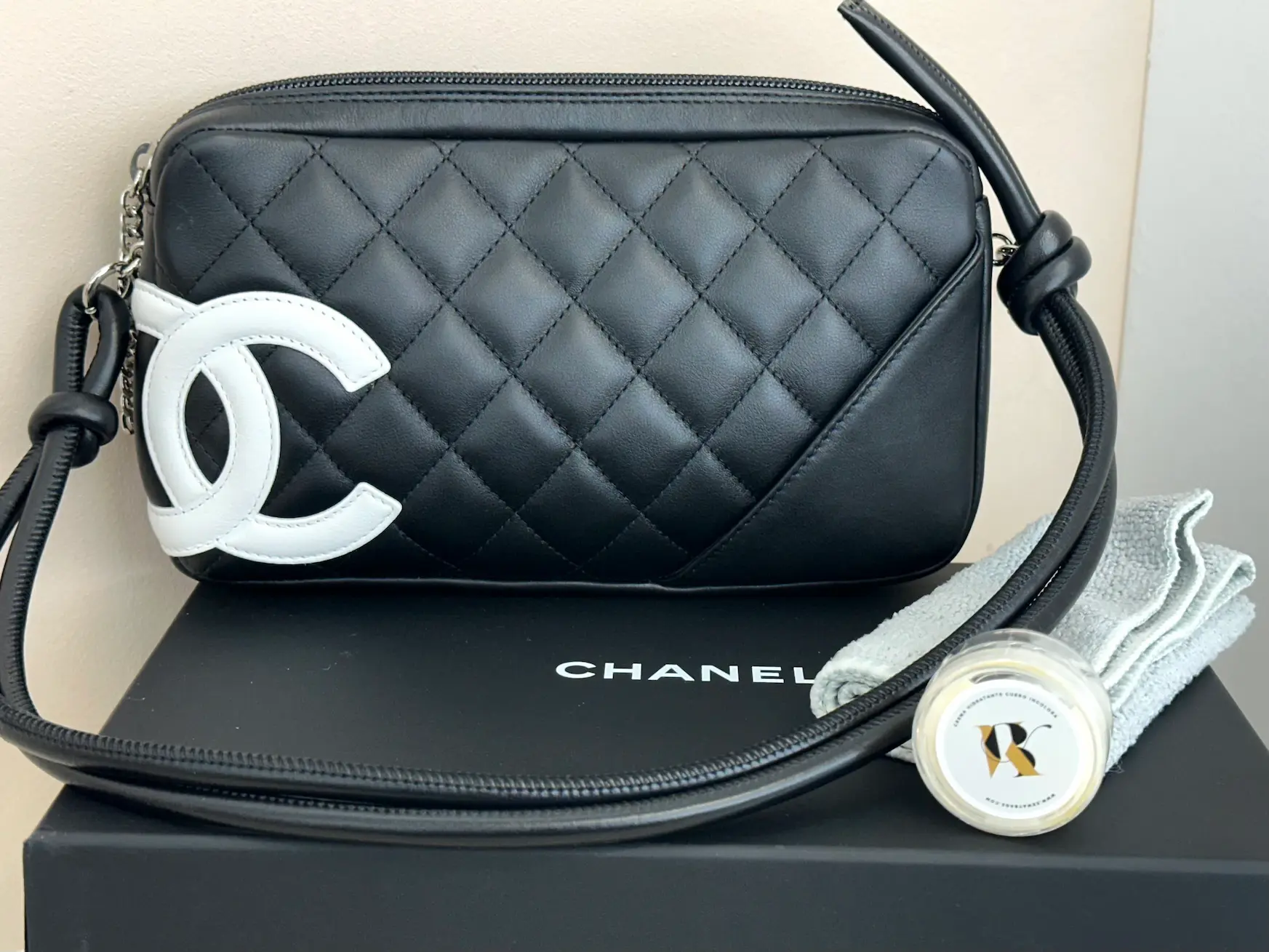
Luxury is no longer just spending: it is strategy
The luxury handbag market has evolved. What used to be a purely aspirational purchase has now
become a much more strategic decision. More and more buyers analyze not only the design or the
brand, but also the handbag’s ability to appreciate in value over time.
This has completely changed the way luxury is bought. It is no longer only about style, but about
making smart decisions that preserve -or even increase- the value of the money invested.
And this is where a clear reality appears: not all brands behave the same way in the second-hand
market.
Chanel: price increases that drive appreciation
Chanel is one of the clearest examples of how a brand can directly influence the resale value of its
own products.
Over the last few years, the house has applied progressive price increases in boutiques, especially
on iconic models such as the Classic Flap. This has created a very interesting effect in the market:
● Older bags automatically increase in value
● Second-hand demand remains high
● Buyers perceive the bag as a solid investment
One key fact: many Chanel models have doubled their price in less than a decade. This makes the
brand one of the safest options within luxury.
In addition, Chanel maintains a very well-balanced point between accessibility and exclusivity. It is
not unattainable, but it is not mass-market either. And that balance is essential to sustain value over
time.
Hermès: real exclusivity and global demand
If Chanel is a solid bet, Hermès is directly the highest level within luxury.
Models such as the Birkin or the Kelly do not work like a conventional product. It is not enough to walk
into a store and buy one. There are:
● Waiting lists
● Customer purchase history
● Limited production
This creates real, not artificial, scarcity. And when supply is limited and demand is global, the result is
obvious: resale prices can even exceed retail.
In this case, the bag stops being an accessory and becomes:
● A collector’s item
● A status symbol
● An investment asset
That is why Hermès consistently leads the appreciation market.
Other brands: a good purchase, but different behavior
Not all brands work the same way, and it is important to understand this in order to set expectations
properly.
Louis Vuitton
It has broader production, which reduces scarcity. Even so, models such as the Speedy, Neverfull, or
Alma hold their value well thanks to their global popularity.
Dior
It depends heavily on the model. Some designs become highly sought after in certain seasons, but
they do not always maintain that interest in the long term.
Saint Laurent
It offers very attractive bags with good turnover, but its level of appreciation is usually more moderate.
This does not mean they are not good purchases, but that they respond to a different logic:
more accessibility, more volume, less exclusivity.
It is not just the brand: the model changes everything
One of the most common mistakes is to think that an entire brand behaves the same way in resale.
The reality is that the model is even more important than the brand.
Within the same house, there are bags that work as an investment and others that do not.
The key factors that make the difference are:
● Timeless design
● Immediate recognition
● High-quality materials
● History or legacy of the model
Bags that meet these characteristics tend to hold their value better. By contrast, designs more tied to
trends usually lose interest over time.
The condition of the bag: a decisive factor
In the second-hand market, condition is everything.
Two identical bags can have very significant price differences depending on their condition. A bag in
excellent condition can sell for:
● Hundreds of euros more
● Even thousands in premium models
That is why, when we talk about investment, it is not only about what you buy, but also about how you
care for it from day one.
What we see at Popauctioon: clear patterns
At PopAuctioon, this behavior repeats constantly. The bags that perform best at auction always have
three elements in common:
● Recognized brand
● Iconic model
● Good condition
In addition, we have observed an important change in the buyer. More and more users buy with a
strategic mindset, thinking about the future value of the bag.
How to buy with an investment mindset
If you are thinking about buying a bag with appreciation potential, there are some key ideas that can
make a difference:
● Choose classic and established models
● Avoid impulsive purchases based on trends
● Analyze the brand’s behavior in resale
● Prioritize quality and condition over quantity
It is not about predicting the future, but about understanding patterns that already exist in the market.
Conclusion: choosing well is what makes the difference
Not all luxury bags are an investment, but some are. And the difference between an emotional
purchase and a strategic purchase lies in information.
Chanel and Hermès lead the market for clear reasons: control of supply, constant demand, and iconic
models that transcend time.
Understanding this not only allows you to buy better, but also to make smarter decisions within the
world of luxury. At Popauctioon, we offer you a smart alternative: participating in luxury auctions
through our platform. Get the best price for your investment in fashion.